

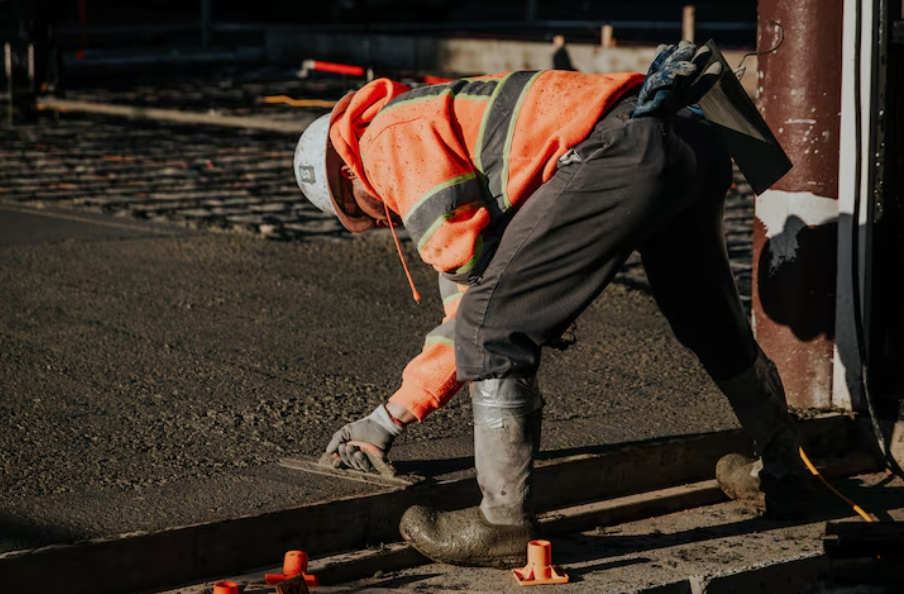
Commercial asphalt plays an important role in the daily operation of businesses, shopping centers, office buildings, apartment communities, warehouses, and other properties. Parking lots, driveways, access roads, and loading areas all depend on durable pavement to support vehicles and provide safe access.
Although asphalt is designed to withstand regular traffic and changing weather conditions, it does not last forever. Proper installation and ongoing maintenance can help protect the pavement, reduce repair costs, and extend its useful life. Understanding the basics of commercial asphalt can help property owners make better decisions about their pavement.
Commercial Asphalt Installation
The quality of an asphalt surface depends heavily on what happens before the asphalt is installed. Proper preparation of the underlying surface is essential because asphalt can only perform as well as the foundation supporting it.
A professional contractor typically begins by evaluating the site, existing pavement, soil conditions, drainage, traffic requirements, and intended use of the property. If old pavement is being replaced, damaged areas may need to be removed before the new surface is installed.
The base should be properly prepared and compacted. A strong, stable base helps distribute vehicle loads and reduces the likelihood of premature cracking, settlement, and other pavement problems.
Drainage should also be considered during installation. Water is one of the biggest threats to asphalt pavement. If water remains on or beneath the surface, it can weaken the pavement structure and contribute to cracks, potholes, and other damage.
After the foundation is prepared, hot-mix asphalt can be placed and compacted using appropriate equipment. Proper compaction is important because poorly compacted asphalt can become weak and deteriorate prematurely.
Maintaining Commercial Asphalt
Even high-quality commercial asphalt requires regular maintenance. Routine inspections can help property owners identify small problems before they become expensive repairs.
Cracks should be addressed as early as practical. Water can enter through cracks and reach the underlying layers of pavement. Over time, this can weaken the structure and lead to larger failures.
Sealcoating is another maintenance option that can help protect asphalt from oxidation, moisture, and certain surface contaminants. It can also improve the pavement’s appearance by restoring a darker, more uniform surface.
Parking lots should also be kept clean. Oil, chemicals, debris, and standing water can contribute to pavement deterioration. Drainage systems should be inspected regularly to ensure that water can move away from the pavement.
Traffic conditions matter as well. Commercial properties with heavy trucks, delivery vehicles, or constant traffic may experience faster pavement deterioration than lightly used parking areas. Maintenance plans should take the property’s actual traffic patterns into account.
Repairing Commercial Asphalt Problems
When damage appears, the appropriate repair depends on its cause and severity. Small cracks may be treated with crack-sealing materials, while isolated potholes or damaged sections may require patching.
If a large portion of the pavement has deteriorated, resurfacing may be a better option than repeatedly repairing individual areas. Resurfacing involves placing a new asphalt layer over a properly prepared existing surface.
Severe structural problems may require removal and replacement of affected sections. Simply covering major structural failures with a thin layer of asphalt may provide only a temporary improvement.
Property owners should also investigate why the damage occurred. If drainage is poor, for example, repairing the surface without addressing water problems may result in repeated damage.
Working with an experienced commercial asphalt contractor can help determine the most appropriate solution. A professional evaluation can identify whether the pavement needs maintenance, repairs, resurfacing, or complete replacement.
Conclusion
Commercial asphalt is a significant investment, and proper care can help property owners protect that investment. Quality installation, effective drainage, routine inspections, timely repairs, and preventive maintenance all contribute to longer-lasting pavement. Rather than waiting for major damage to develop, businesses can benefit from addressing small problems early. A proactive commercial asphalt maintenance plan can improve safety, appearance, and long-term pavement performance while helping control overall maintenance costs.